Substrate pots with controlled root pH
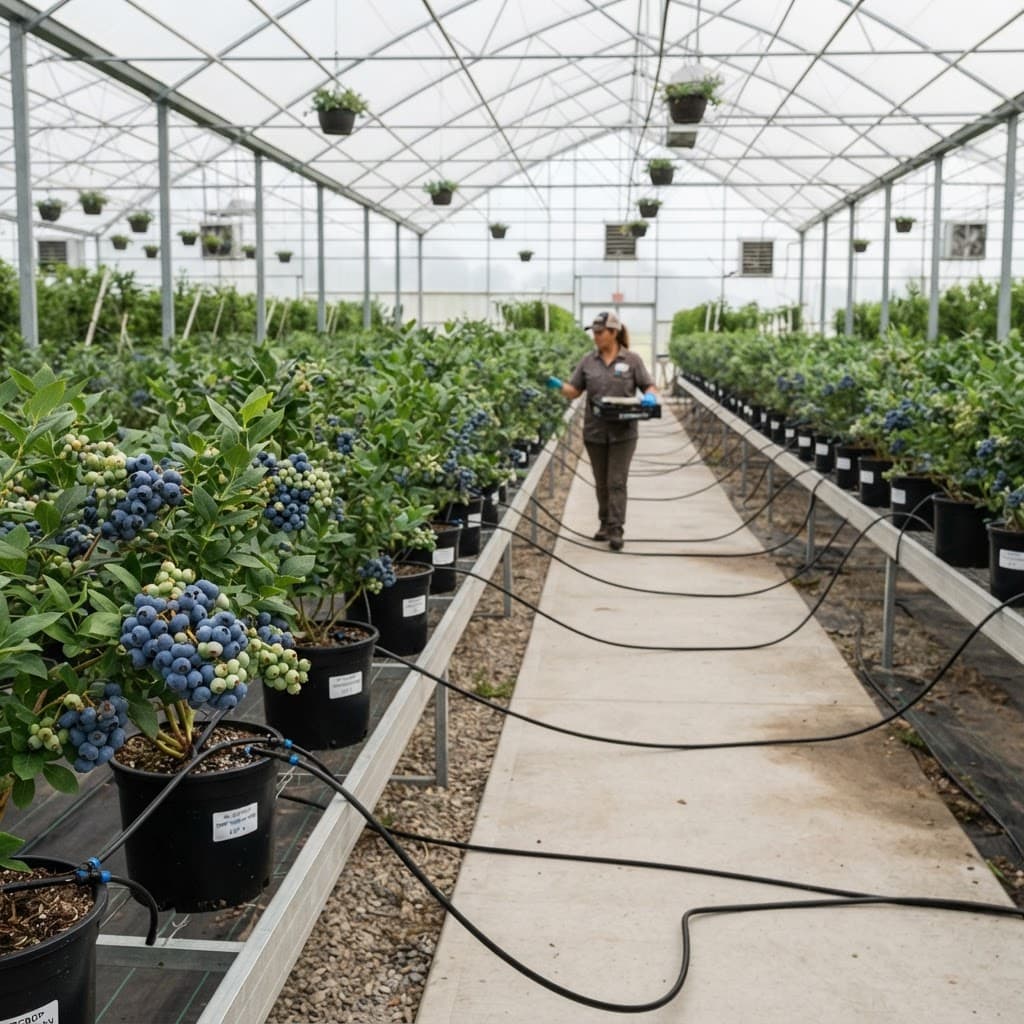
Moving to substrate pots gave direct control of root pH and drainage, removing the soil chemistry variability that made field pH correction unreliable.
Greenhouse project consulting, engineering and supply coordination worldwide
projects@aegisgreenhouse.com
Peru · Blueberry
An export project where protection was used to shift harvest into a higher-price window rather than simply to raise yield.
Overview
The commercial and technical starting point for this greenhouse project.
The grower already produced blueberries in open field and competed in a crowded export window. The objective was to use protected cultivation to advance and extend harvest into periods when export prices are higher, and to reduce rain-related fruit quality losses that were cutting exportable pack-out.
Challenge
Blueberry is a perennial crop with specific root requirements, so the design had to serve many seasons rather than one cycle.
01
The design combined substrate production with selective protection, targeting the specific losses the grower could quantify.
Moving to substrate pots gave direct control of root pH and drainage, removing the soil chemistry variability that made field pH correction unreliable.
Retractable screening was specified so the crop could be protected during rain and peak radiation while retaining open conditions and natural pollination the rest of the time.
Dosing, filtration and line redundancy were specified to a standard suitable for continuous multi-year operation, because an irrigation failure in a perennial crop damages future seasons, not just current fruit.
Netting specification and structure interface were designed to exclude birds and reduce insect pressure without restricting the airflow the crop needs.
Climate protection strategy was tied to the export price calendar so the protection investment was justified by the price window it opened, not by yield alone.
02
Selections were made for a ten-year production horizon and for export grade retention.
| System | Selection | Reason for selection |
|---|---|---|
| Structure | Multi-span with retractable screening | Protection when required, open conditions and natural pollination otherwise |
| Growing system | Substrate pots, coir and bark blend | Direct control of root pH and drainage for a perennial crop |
| Irrigation | pH-controlled drip fertigation with redundancy | Root pH stability across many seasons, with no single point of failure |
| Water treatment | Filtration and acid dosing | Protects emitters and holds feed pH in the required range |
| Screening | Retractable rain and shade screen, bird net | Reduces fruit splitting, botrytis pressure and bird loss |
| Post-harvest | Rapid cooling interface | Export shelf life depends on time from picking to cold chain |
| Control | Irrigation and screen automation | Screen position and irrigation must respond to weather events quickly |
Outcome
Protection was justified by price window and grade retention rather than by a yield increase alone.
Retractable screening allowed the harvest window to be advanced and extended into higher-price export periods, which was the primary commercial return on the protection investment.
Substrate production with pH-controlled fertigation removed the root pH variability the grower had been managing in field soil, stabilising plant performance across blocks.
Rain protection and bird netting together reduced the fruit splitting, botrytis and bird losses that had been cutting exportable pack-out in open field production.
Gallery
Reference images of the greenhouse type, growing system and installation stage used on this project.
Substrate pots with pH-controlled drip fertigation
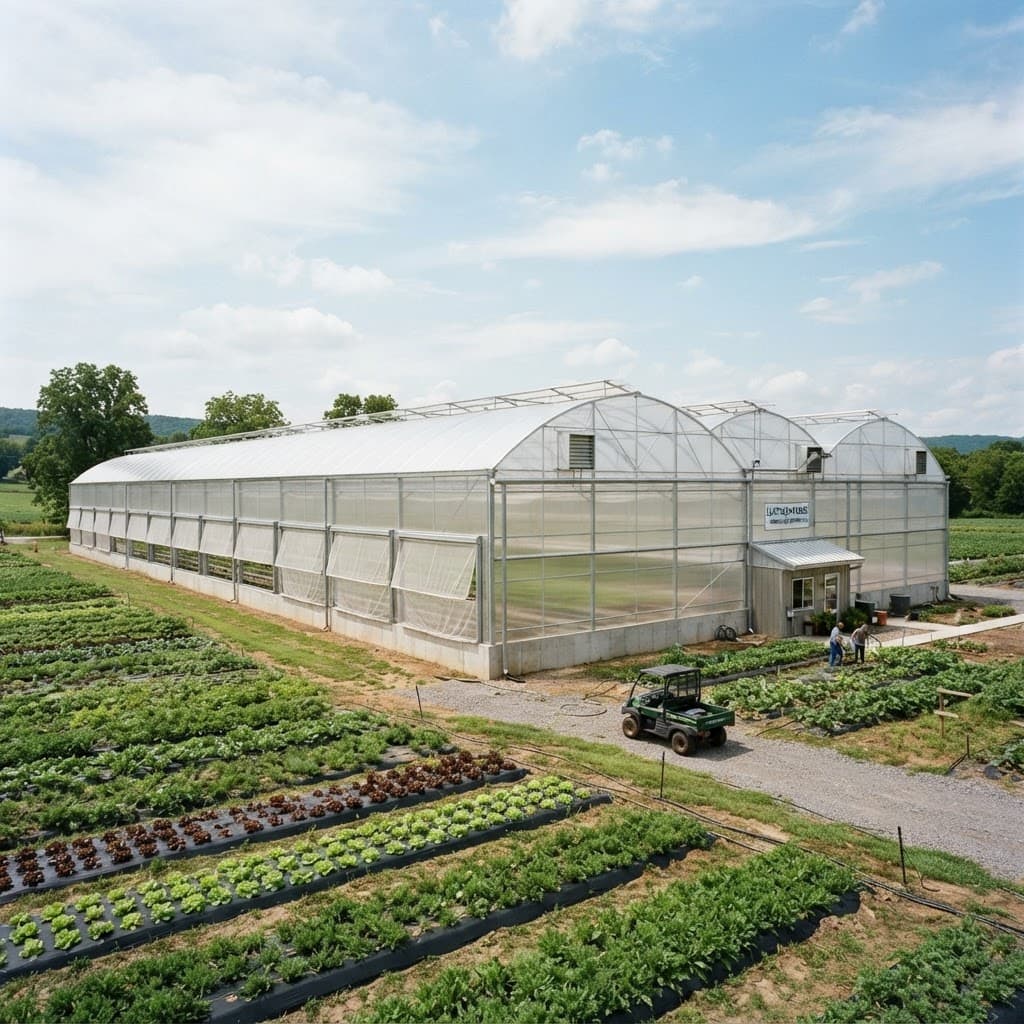
Multi-span structure carrying retractable screening
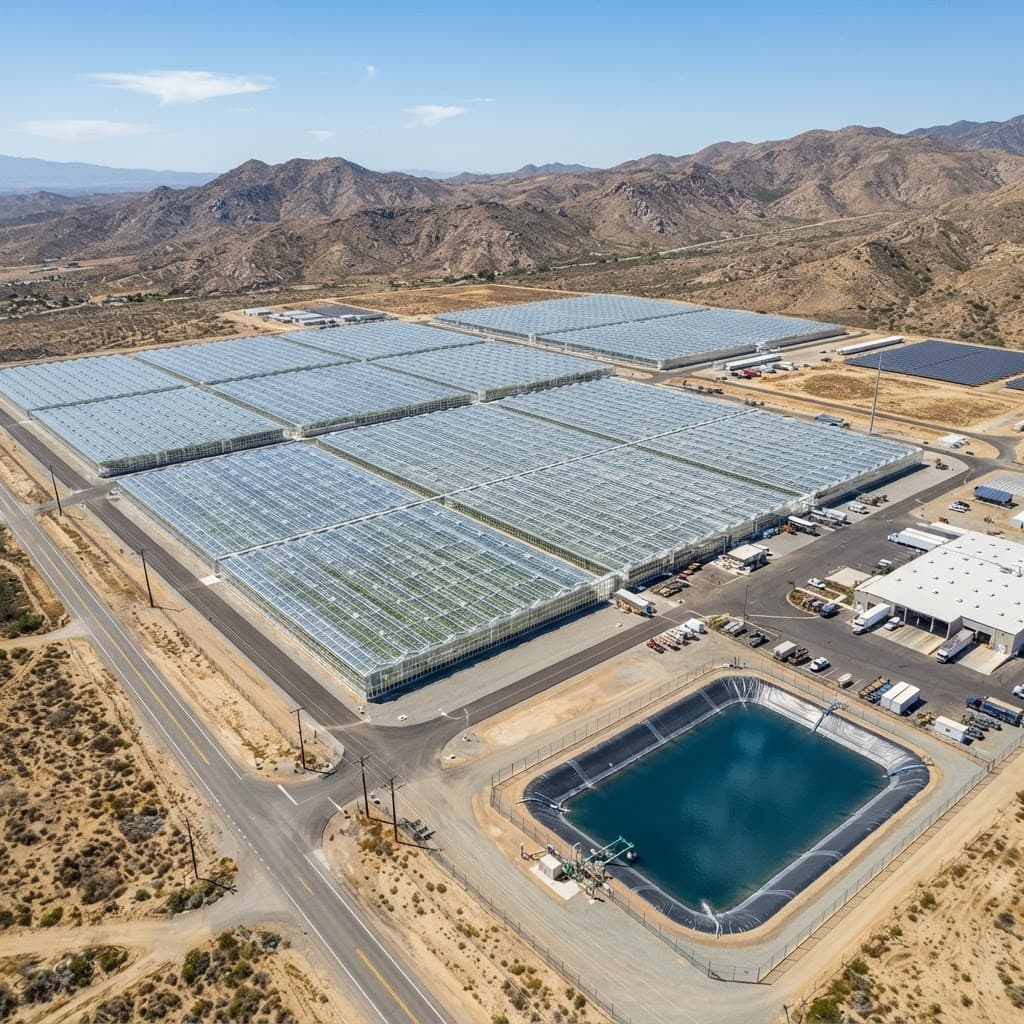
Four hectares planned as a single irrigation and screening zone
FAQ
Technical and commercial questions raised on this greenhouse solution project.
Blueberry needs a consistently low root pH and free drainage. Correcting field soil pH is slow and tends to drift, while substrate pots let the grower set root pH and drainage directly through the fertigation recipe — which matters over the many seasons of a perennial crop.
It usually improves exportable pack-out more than it raises gross yield. The larger commercial gain in this project came from shifting harvest into a higher-price export window and from reducing rain, disease and bird losses that were downgrading fruit.
Blueberry benefits from natural pollination and open airflow for much of the season. Retractable screening protects the crop during rain events and peak radiation while keeping conditions open the rest of the time, at a lower capital cost than a fully closed structure.
Continue
Explore the connected technical and commercial topics for this project stage.
Send your country, target crop and planned growing area. We will outline a suitable greenhouse configuration and an indicative budget range based on comparable projects.
Independent greenhouse solution provider · Response within one business day