Skip to content
AEGIS Greenhouse Systems

Cost guides / 14 min read / Aegis Project Engineering

Commercial Greenhouse Cost: What Investors Should Budget

A decision-focused cost guide for commercial greenhouse budgets, including CAPEX categories, OPEX drivers, hidden owner-scope items and quote comparison rules.

By Aegis Project Engineering

Published /Updated

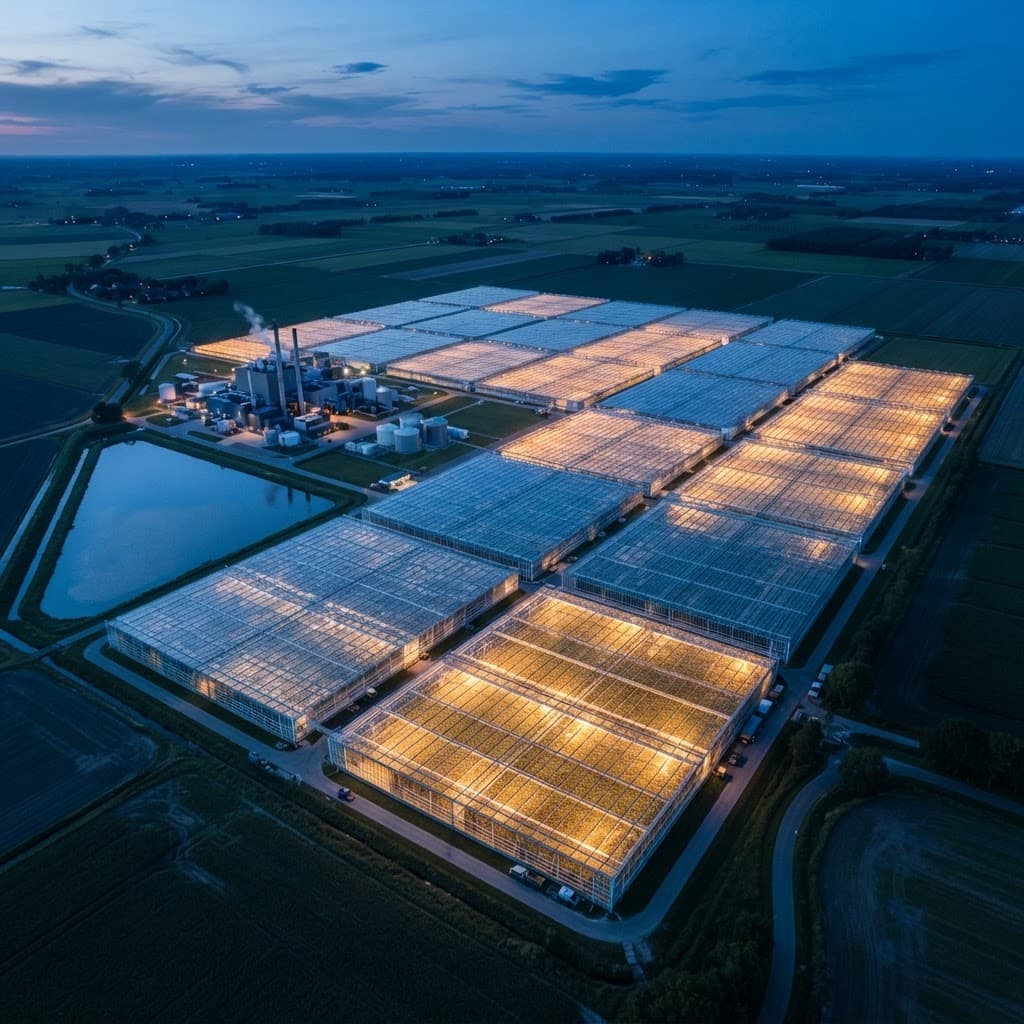
Commercial greenhouse project cost planning with greenhouse blocks, service roads and water infrastructure

Key takeaways

  • A useful commercial greenhouse cost estimate separates greenhouse package, crop systems, infrastructure, owner scope and working capital.
  • Cost per square metre is only a first filter; investors should normalize costs against production target, crop risk and operating model.
  • Civil works, utilities, water treatment, controls integration, logistics and contingency are the budget lines most often missed in early quotes.
  • Quote comparison is unreliable until inclusions, exclusions, design criteria and owner responsibilities are levelled across bidders.
  • A realistic budget should include sensitivity ranges instead of one attractive number, especially for energy, labour and site-preparation assumptions.

Overview

Commercial greenhouse cost is not a single price per square metre. It is a capital structure shaped by crop strategy, climate response, greenhouse type, systems intensity, site burden and the level of responsibility retained by the owner.

This resource upgrades the old cost overview into a decision framework for investors and growers. It explains what should sit inside the budget, which numbers are useful early, which numbers are dangerous, and how to compare supplier quotes without being misled by missing scope.

Start with budget boundaries before comparing prices

The first cost question should be: what decision is this number supposed to support? A concept budget, a board approval estimate, a lender model and a procurement comparison all need different levels of precision. Treating them as the same number creates false confidence.

[Industry Pattern] Most early greenhouse budget overruns come from scope omissions rather than suppliers increasing the original price. The quote may be technically accurate, but incomplete for the total project.

  • Concept budget: useful for screening project scale and technology direction.
  • Pre-procurement budget: should include greenhouse package, systems, site works, utilities and owner scope.
  • Tender budget: should be based on one written specification and levelled supplier assumptions.
  • Investment budget: should add contingency, working capital, ramp-up losses and financing assumptions.

Commercial greenhouse CAPEX breakdown

A practical CAPEX structure separates the visible greenhouse from the systems and infrastructure that allow it to perform. This prevents a low structure package from disguising a high delivered project cost.

Budget line What it covers Risk if under-defined
Structure and envelope Frame, glazing or covering, vents, screens interface and basic enclosure Comparing shell prices while design loads or glazing assumptions differ
Climate systems Heating, cooling, ventilation, screens, air movement and dehumidification strategy Treating essential crop-performance systems as optional upgrades
Crop and water systems Irrigation, fertigation, water storage, treatment, recirculation and crop support Budgeting the building but not the production system
Controls and automation Sensors, climate computer, equipment integration and operational data interfaces Hidden integration costs between suppliers
Infrastructure and civil works Power, water, drainage, roads, grading, utility extensions and site access A low supplier quote becomes a high total project cost
Owner scope and soft costs Permits, engineering review, logistics, supervision, contingency and working capital Board approval based on a number that cannot deliver the project

How to use cost per square metre without being misled

Cost per square metre is useful for initial comparison, but it becomes dangerous when buyers compare facilities with different crop targets, climates, automation levels or infrastructure burdens. A lower cost per square metre can still produce a weaker investment case if yield reliability or operating cost is worse.

For investor review, add cost per kilogram of annual output, cost per revenue unit, and sensitivity to energy and labour. These measures connect capital cost to operating performance.

Budget assumptions to define before supplier quotes

Quote-readiness is a milestone. If the project has not defined crop, climate targets, design criteria, site utilities and owner scope, supplier offers will not be comparable.

  • Crop, production system and target quality grade.
  • Location-specific wind, snow, heat, humidity and light assumptions.
  • Heating, cooling, ventilation, screen and irrigation performance expectations.
  • Existing utility capacity and required upgrades.
  • Supplier scope, owner scope, exclusions, logistics and installation responsibility.
  • Contingency policy and working-capital assumptions during ramp-up.

Decision framework: when is the budget mature enough?

A greenhouse budget is mature enough for procurement only when it can explain why each major cost category exists and what assumption would change it. If a cost line cannot be tied to crop performance, site requirement, operating risk or supplier responsibility, it is not yet decision-ready.

Question Strong signal Warning sign
Does the budget start from production requirements? Crop, yield, quality and climate targets are defined The structure type was selected first
Are quotes comparable? All bidders price one specification Each supplier used its own scope assumptions
Is infrastructure included? Utilities, drainage, roads and civil works are explicit Infrastructure is treated as later owner scope
Is risk priced? Contingency and sensitivity ranges are shown One optimistic number is used for approval

FAQ

Frequently asked questions

How much does a commercial greenhouse cost?+

The useful answer depends on greenhouse type, climate strategy, crop system, site burden and owner scope. A professional budget should separate the greenhouse package from infrastructure, crop systems, controls, contingency and working capital rather than relying on one universal price.

Why do greenhouse quotes vary so much?+

Quotes usually vary because suppliers are pricing different scope. Screens, controls, water treatment, installation supervision, spare parts, civil works and utility interfaces are common differences that must be levelled before comparison.

What costs are most often forgotten?+

Civil works, drainage, utility upgrades, water treatment, logistics, import costs, controls integration, owner engineering, contingency and crop ramp-up working capital are the most common omissions.

Should investors compare cost per square metre?+

Yes, but only as an early filter. Investment decisions should also compare cost per kilogram of annual output, sensitivity to energy and labour, production reliability and market fit.

When should Aegis review a greenhouse budget?+

A review is most useful before supplier quoting begins or before board approval, when assumptions can still be normalized and missing scope can be added without delaying procurement.

Start Your Greenhouse Project With Aegis

Before requesting supplier prices, ask Aegis for a project-specific budget framework review. We can help define scope, normalize assumptions and build a cost structure that investors, growers and suppliers can compare on the same basis.