Skip to content
AEGIS Greenhouse Systems

Buying guides / 16 min read / Aegis Project Engineering

Greenhouse Buying Guide: How to Specify, Tender and Contract

A procurement guide for buying commercial greenhouses, covering performance specifications, supplier shortlists, quote levelling, contracts and acceptance tests.

By Aegis Project Engineering

Published /Updated

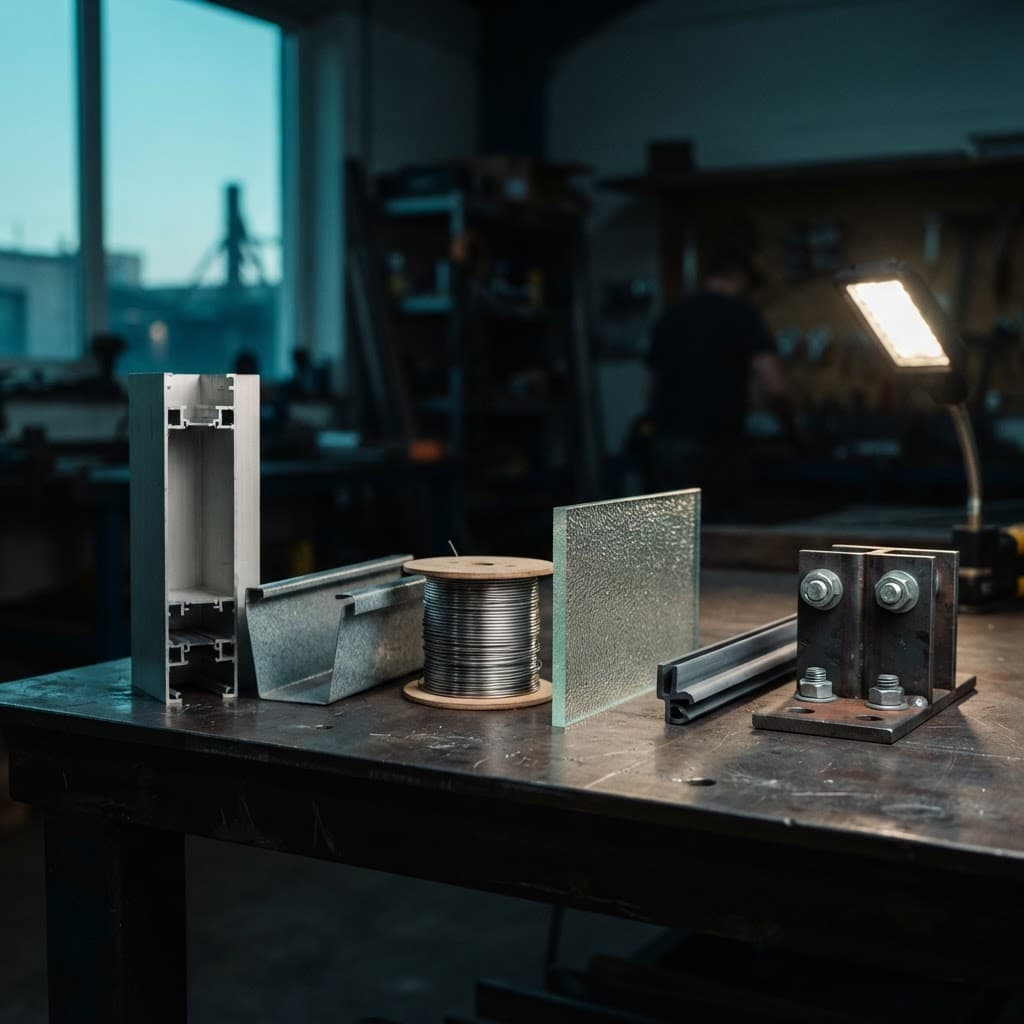
Greenhouse component samples and specification details for supplier procurement

Key takeaways

  • Do not ask suppliers for quotes until one written performance specification exists.
  • The lowest price is often the offer with the most missing scope unless quotes are levelled line by line.
  • Supplier selection should test engineering fit, scope clarity, delivery model, service capability and interface responsibility.
  • Contracts should link payments to inspection and acceptance milestones, not just calendar dates.
  • Every boundary between greenhouse, climate, irrigation, civil works and controls needs a named interface owner.

Overview

Buying a commercial greenhouse is not a shopping exercise. It is a controlled procurement process where specification quality determines whether supplier offers become comparable, contract risks become visible and the final project can be delivered as intended.

This guide upgrades the old buying page into a procurement framework for owners preparing to specify, tender, evaluate and contract a greenhouse project without losing control of scope.

Specify before you shop

The most expensive procurement mistake is requesting quotes before defining performance requirements. Without a common specification, every supplier prices a different project and the cheapest offer is usually the one with missing scope.

  • Crop and production targets
  • Climate performance requirements
  • Structure and design criteria
  • Irrigation and water treatment basis
  • Controls integration expectations
  • Installation, supervision and commissioning scope

Supplier shortlist criteria

A strong shortlist is smaller and more qualified than a broad market request. Three to five serious bidders usually creates enough competition without reducing supplier effort.

Criterion What to check Risk if ignored
Technical fit Experience with crop, climate and system level Supplier learns on your project
Scope clarity Detailed inclusions, exclusions and interfaces Hidden owner scope after award
Delivery model Engineering, logistics, supervision and commissioning plan Schedule and accountability gaps
After-sales support Parts, service, controls support and training Operational risk after handover

Quote levelling framework

Quote levelling turns supplier proposals into one comparable decision. It is not enough to compare totals; the evaluation must reconcile what each number includes, excludes and assumes.

  • Normalize greenhouse area and compartment definition.
  • Compare design loads, glazing, vents, screens and climate assumptions.
  • Separate supplier scope from owner scope.
  • Identify missing spare parts, supervision, controls interfaces and commissioning.
  • Convert exclusions into priced risk items before selection.

Contract and payment structure

Contracts should reduce ambiguity before construction begins. Payment milestones should connect to verifiable outputs, inspections and acceptance steps rather than only to dates.

Contract area Good practice Warning sign
Scope Detailed specification attached Only proposal summary referenced
Payment Milestones tied to verified progress Large deposits without inspection points
Interfaces Named owner for every boundary Civil, controls and irrigation gaps unclear
Acceptance Test method defined before installation Handover based on completion only

Procurement readiness checklist

A project is ready for supplier tender only when the owner can explain what is being bought, why it is needed, who owns each interface and how acceptance will be tested.

  • Performance specification approved
  • Budget boundaries defined
  • Site and utility assumptions documented
  • Supplier shortlist criteria set
  • Quote levelling template prepared
  • Contract and acceptance principles agreed

FAQ

Frequently asked questions

How many greenhouse suppliers should be invited?+

Three to five qualified bidders is usually enough. Fewer reduces competition; too many reduces supplier effort and makes quote levelling inefficient.

Should we buy turnkey or separate packages?+

Turnkey concentrates accountability and suits owners without technical coordination capacity. Separate packages can work when the owner has strong project management and clear interface control.

What should a greenhouse specification include?+

It should include crop targets, design criteria, climate performance, structure, glazing, irrigation, controls, installation, commissioning, exclusions and acceptance criteria.

Why is the lowest quote risky?+

The lowest quote may exclude important scope. It should not be selected until all assumptions and exclusions are levelled against other proposals.

Can Aegis help evaluate supplier offers?+

Yes. Aegis can support specification writing, supplier shortlisting, quote levelling, scope review and acceptance criteria before contract award.

Start Your Greenhouse Project With Aegis

Ask Aegis for a greenhouse specification and tender review before awarding a supplier contract. We can help level proposals, identify missing scope and define acceptance criteria that protect the project.