Skip to content
AEGIS Greenhouse Systems

Crop guides / 14 min read / Aegis Project Engineering

Greenhouse Crop Selection Guide: Matching Crop to Market and Climate

A crop-selection framework for greenhouse investors comparing market fit, climate risk, labour needs, water quality, technology package and cash-flow timing.

By Aegis Project Engineering

Published /Updated

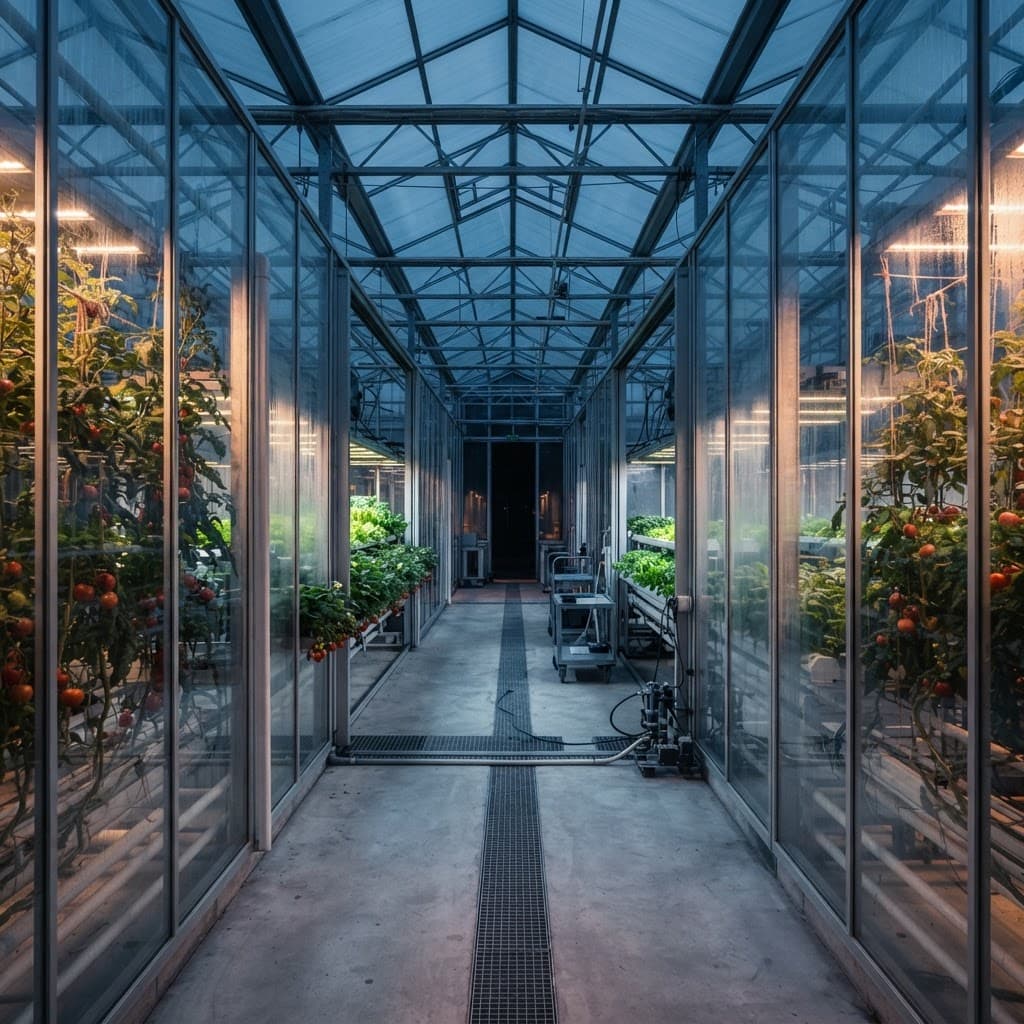
Greenhouse crop selection across tomatoes, strawberries, leafy greens and nursery production

Key takeaways

  • Choose the market window before choosing the crop; production without buyer fit creates avoidable risk.
  • Crop choice dictates structure, climate systems, irrigation, labour model and cash-flow timing.
  • Water quality, labour availability and grower capability can eliminate otherwise attractive crop options.
  • High-value crops are not automatically better if the project cannot manage quality consistency and ramp-up.
  • The right crop is the one that fits local demand, climate response, operating capability and investment return together.

Overview

Greenhouse crop selection is an investment decision before it is an agronomic decision. The crop determines market risk, technology bill, labour model, water requirements, operating complexity and how quickly cash flow can mature.

This guide upgrades the old crop overview into a decision framework for selecting a crop that fits the market and the greenhouse project, instead of choosing a crop first and forcing the facility to follow.

Start with market window and buyer fit

A crop is attractive only when it can be sold at the right quality, volume and timing. Protected production should solve a market problem: import replacement, off-season supply, consistent quality or premium local delivery.

  • Who will buy the crop?
  • Which quality grade is required?
  • When is the price window strongest?
  • What packhouse or cold-chain requirements apply?
  • How exposed is the crop to competing imports?

Crop-to-technology mapping

Different crops pull the greenhouse specification in different directions. A tomato greenhouse, strawberry programme, leafy greens system and blueberry protection model do not need the same structure, climate control or workflow.

Crop type Technology implication Main risk
High-wire tomato Gutter height, strong climate control, crop support and skilled grower Operational complexity and energy exposure
Strawberry Table-top gutters, hygiene, labour workflow and climate uniformity Quality consistency and labour timing
Leafy greens Short-cycle workflow, water quality, hygiene and automation potential Market price pressure and disease control
Blueberry Substrate, irrigation precision, long establishment period and protected crop strategy Slow ramp-up and cultivar fit

Water, labour and grower capability constraints

Crop choice should not be finalized until water quality, labour availability and operating skill are reviewed. These constraints often matter more than headline crop profitability.

  • Water salinity and alkalinity can change crop feasibility.
  • Labour-intensive crops need reliable harvest teams.
  • High-wire crops need experienced growers and crop registration discipline.
  • Short-cycle crops need tight hygiene and fast logistics.

Cash-flow and ramp-up differences

Annual crops and short-cycle crops can produce feedback quickly, while perennial or premium crops may require longer establishment periods. Investors should model the ramp-up curve rather than assuming mature production from year one.

Decision matrix for crop selection

A crop should pass four tests before it enters greenhouse design: market fit, climate fit, operational fit and financial fit. If one fails, the project needs a different crop or a different technology concept.

Test Pass signal Risk signal
Market fit Specific buyer and price window Crop selected by popularity
Climate fit Required environment is economical to maintain High energy or cooling burden is ignored
Operational fit Grower and labour model are credible Skill gaps will be solved later
Financial fit Sensitivity cases still work Only peak-yield scenario looks viable

FAQ

Frequently asked questions

Which greenhouse crop is most profitable?+

There is no universal most profitable crop. Profitability depends on local price, yield reliability, labour, energy, water, technology cost and market access.

Should first-time investors choose an easier crop?+

Often yes. A less complex crop with fast feedback can build operating capability before moving into higher-risk production models.

Can one greenhouse grow multiple crops?+

Sometimes, but only when climate and workflow requirements are compatible or compartments are independently controlled. Mixed crops in one climate zone often compromise performance.

Why does crop choice affect greenhouse cost?+

Crop choice affects gutter height, climate precision, irrigation design, crop support, labour workflow, automation and post-harvest handling.

When should Aegis review crop selection?+

Before technology selection. Crop, market, climate and water assumptions should shape the greenhouse concept from the beginning.

Start Your Greenhouse Project With Aegis

Ask Aegis for a crop-market-fit review before choosing your greenhouse specification. We can compare crop options against your market, climate, water, labour and investment assumptions.