Skip to content
AEGISGreenhouse Systems

Practical guides — 11 min read

How To Choose A Greenhouse Solution Provider

How to evaluate greenhouse suppliers and solution providers: qualification criteria, reference checks, scope comparison, warranty terms and the warning signs that predict project problems.

By Aegis Project Engineering

Published /Updated

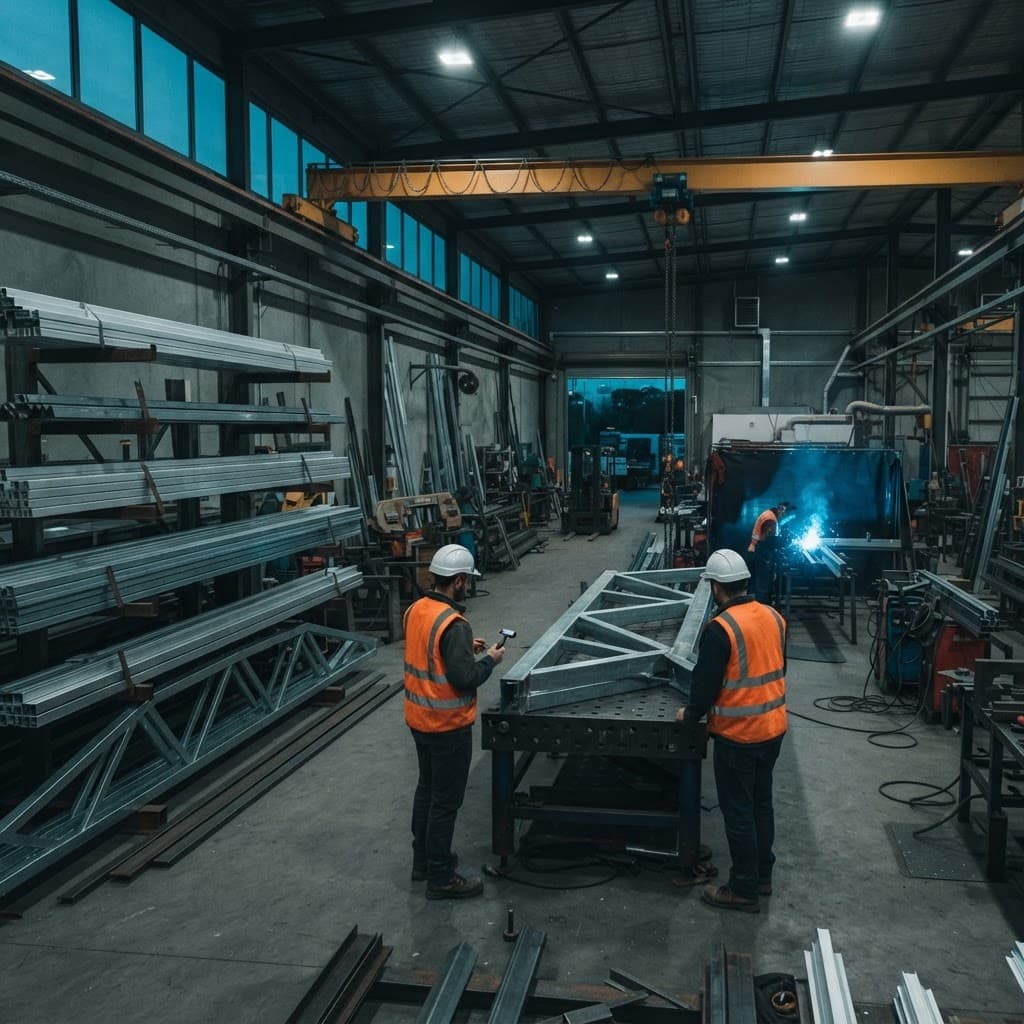
Supplier factory audit in a greenhouse component workshop, with inspectors examining a steel truss joint beside racks of aluminium glazing profiles

Qualify before you price

Price is the last criterion, not the first. A supplier without reference projects in your climate zone and crop carries risk that no discount offsets, because the cost of a facility that underperforms for twenty years dwarfs any procurement saving. Establish who is capable of delivering, then find out what they charge.

Qualification criteria that matter

Assess capability against the specific project, not against general reputation. A manufacturer excellent at Northern European glass facilities may have no relevant experience in desert cooling, and the reverse is equally true.

  • Reference projects in a comparable climate zone and crop
  • Financial standing proportionate to the contract value
  • Regional installation and after-sales service capability
  • Documented spare parts availability and response times
  • Willingness to accept performance-based acceptance criteria
  • Named project manager with relevant delivery history

Check references properly

Reference checks are the highest-value diligence available and the most commonly skipped. Ask to speak with growers directly rather than accepting a project list, and ask about what went wrong rather than what went well. Every project has problems; what distinguishes a good supplier is how they were resolved.

  • What deviated from the original scope and who paid?
  • How long did commissioning problems take to resolve?
  • How did the supplier respond after final payment?
  • Did the facility meet its yield and energy projections?
  • Would you contract with them again at the same price?

Compare scope, not headline price

Suppliers deviate from specifications in ways that are rational for them and invisible to buyers. Levelling — pricing every exclusion so all offers describe the same facility — is the only way to make a real comparison. Expect the ranking to change once levelling is complete.

Warning signs worth acting on

Certain supplier behaviours during tender reliably predict problems during delivery. None of them are conclusive alone, but together they justify walking away regardless of price.

  • Unwillingness to accept measurable performance criteria
  • Quotes that omit installation, screens or commissioning without saying so
  • Yield claims presented without climate or crop assumptions
  • Pressure to sign before independent technical review
  • No named local service capability for the region
  • Reference projects that cannot be contacted directly

Turnkey, packages, or coordinated supply

Turnkey concentrates accountability with one party, which suits investors without in-house technical capability but reduces flexibility. Separate packages can lower cost where the client can manage interfaces. The configuration that fails most often is separate packages with nobody coordinating them, because interface gaps surface during commissioning when they are most expensive.

Where independent advisors fit

Aegis does not manufacture greenhouses, which is why we can tender them. An independent party writes the specification, qualifies the shortlist, levels the bids and supervises delivery against the document. Where the advisor also sells the structure, the specification and the bid comparison stop being neutral.

About the author

Aegis Project Engineering

Structural and climate engineering desk

The engineering desk writes the technical specifications behind Aegis projects, covering structures, glazing, climate systems and irrigation. The team reviews supplier designs against local load codes and measured site climate data rather than reference-project assumptions.

  • Structural specification
  • Climate strategy
  • Glazing selection
  • Irrigation design

FAQ

Frequently asked questions

Should we buy directly from a manufacturer or through a solution provider?

Buying direct removes a margin layer but leaves the buyer writing the specification, levelling the bids and supervising installation. That works when the client has genuine in-house horticultural engineering capability. Where it does not exist, the cost of independent engineering is smaller than the cost of an unlevelled procurement.

How many suppliers should we compare?

Three to five qualified bidders. Fewer removes competitive pressure; more dilutes the effort each supplier puts into the response and makes levelling disproportionately time-consuming without improving the outcome.

Is the cheapest qualified bid usually the right choice?

After proper levelling, often yes. Before levelling, almost never — because the lowest headline number typically reflects the narrowest scope rather than the best value.

What warranty terms are reasonable?

Structure and glazing warranties of ten years or more are normal, with shorter terms on moving parts and control equipment. More important than duration is the service response commitment and spare parts pricing, since a warranty without regional service capability has limited practical value.

Start Your Greenhouse Project With Aegis

Send us your location, available area and target crop. You will receive a structured first assessment with technology direction and an indicative investment range.